Help Your Teen Discover Their Strengths
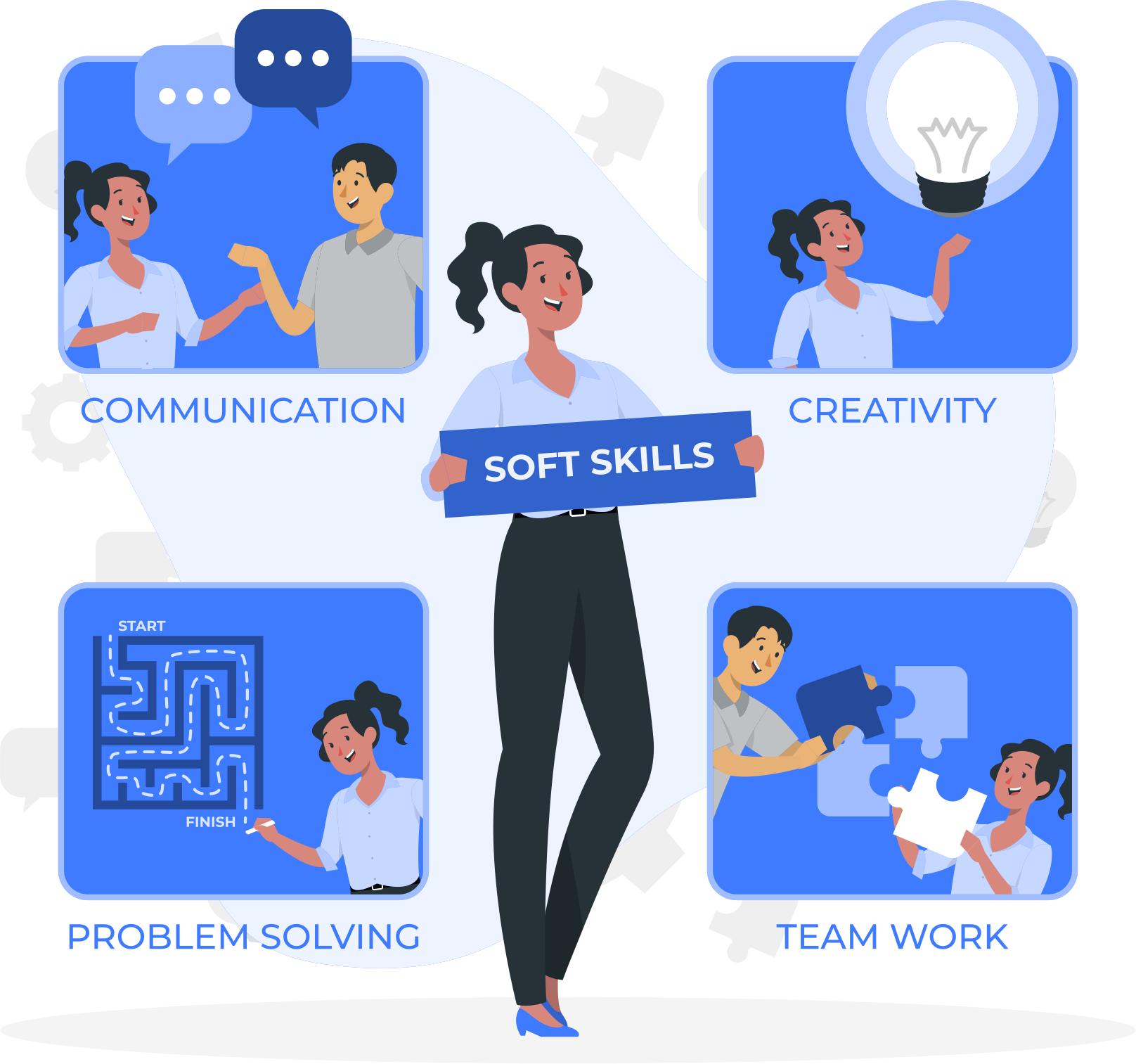
Success in school, work, and life involves more than academic skills. Communication, teamwork, problem-solving, time management, adaptability, and other soft skills can help teens navigate challenges and prepare for their future.
This free Soft Skills Self-Assessment gives teens an opportunity to reflect on the skills they already use and identify areas where they can continue to grow.
What Is a Soft Skills Self-Assessment?
Grades and academic performance are only part of the picture when it comes to preparing students for the future.
Soft skills are the personal and interpersonal skills that influence how we communicate, work with others, handle challenges, manage responsibilities, and respond to change.
This self-assessment encourages teens to pause and think about how they currently use important skills in their everyday lives.
There are no right or wrong answers. The goal isn’t to get a perfect score. It’s to help your teen develop greater self-awareness and identify opportunities for growth.
What Skills Does the Assessment Explore?
Communication
Expressing ideas clearly, listening to others, and communicating effectively.
Teamwork & Collaboration
Working cooperatively with others, contributing to a group, and respecting different perspectives.
Problem-Solving
Thinking through challenges, considering options, and finding possible solutions.
Time Management
Managing responsibilities, prioritizing tasks, and meeting deadlines.
Adaptability
Adjusting when plans change, learning from new experiences, and responding positively to unexpected situations.
Responsibility
Taking ownership of choices, actions, commitments, and responsibilities.
Self-Awareness
Recognizing personal strengths, understanding areas for growth, and reflecting on experiences.
Goal Setting
Identifying goals, creating steps toward them, and staying focused on progress.
Why Should Teens Complete the Assessment?
The Soft Skills Self-Assessment can help your teen:
✓ Identify personal strengths
✓ Recognize skills they may want to strengthen
✓ Reflect on how they use soft skills in everyday situations
✓ Build greater self-awareness and confidence
✓ Connect their skills to school, activities, jobs, and future careers
✓ Begin meaningful conversations about personal growth and career development
Soft skills aren’t something teens have to master all at once. They develop through practice, experience, reflection, and opportunities to try new things.
Don’t Just Ask, “What Do You Want to Be?”
Career conversations don’t always have to start with choosing a career.
A better starting point may be helping your teen understand who they are, what they enjoy, and what they do well.
After your teen completes the assessment, use their results to start a conversation.
Try asking:
“Which result surprised you?”
“Which skill do you think is one of your biggest strengths?”
“Which skill would you like to improve?”
“Where do you already use this skill?”
“Can you think of a situation where this skill helped you?”
“How might this skill be useful in a future career?”
These conversations can help teens begin connecting what they know about themselves with the possibilities available to them.
Ready to Get Started?
Download the Free Soft Skills Self-Assessment
Give your teen an opportunity to pause, reflect, and discover more about the skills they bring to school, relationships, activities, work, and their future.
What’s Next?
Understanding your soft skills is just one part of career exploration.
Once your teen has identified some strengths and areas for growth, the next step is to explore their interests, values, abilities, and possible career paths.
Want to Learn More About Soft Skills
The self-assessment is a great place to start, but there is much more to explore.
If you’d like to better understand why soft skills matter for teens—and how they can support success in school, work, and future careers—read the full article:
Soft Skills for Career Success
In the article, you’ll learn more about the role soft skills play in career development and why helping teens build these skills now can benefit them long into the future.
You May Also Enjoy
7 Workplace Trends Every Student Should Know
Career development doesn’t happen in one conversation.
The Soft Skills Self-Assessment is one small step that can help your teen better understand themselves—and begin thinking about how their strengths can shape their future.