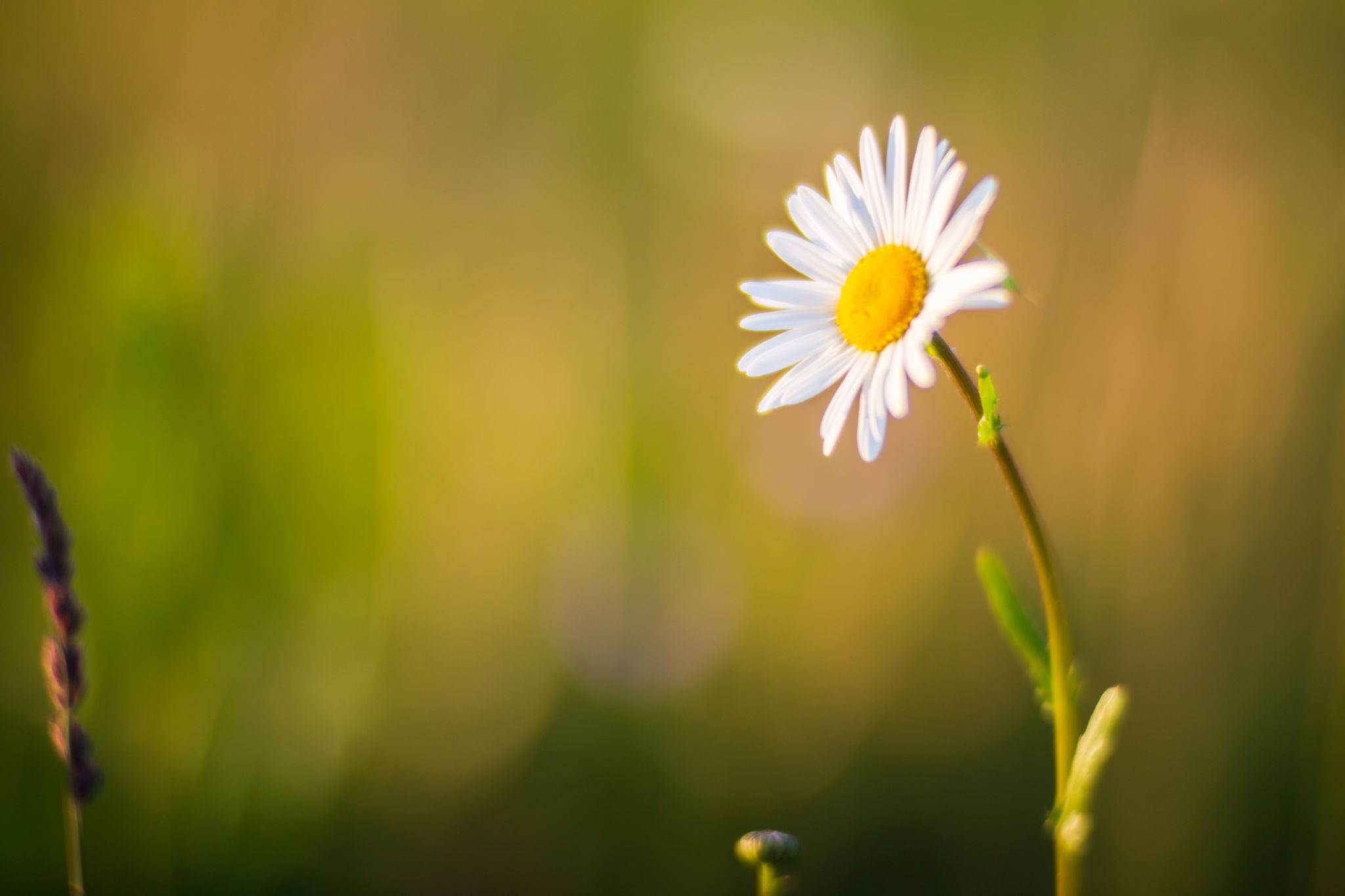
Have you ever taken a picture of something simply because it caught your attention? Maybe it was a beautiful flower, an interesting building, a sunset, or an ordinary object that suddenly looked different from another perspective. Photography encourages us to slow down, observe our surroundings, and notice things we might otherwise overlook. But it can also do something more: it can help us discover things about ourselves.
For teens, photography can be more than a creative hobby. It can provide opportunities to explore personal interests, recognize strengths, express ideas, build confidence, and even discover potential career paths. You don’t need an expensive camera or professional photography skills to get started. A smartphone is enough to begin exploring the world through a different lens.
1. Discover What Interests You
What do you naturally notice when you look around? Some people are drawn to flowers, trees, and wildlife. Others notice architecture, interesting patterns, colorful objects, or the details of everyday life. The subjects that catch your attention may reveal something about your interests. Try taking photographs of things that genuinely interest you. Don’t worry about whether they are technically perfect. Instead, pay attention to the subjects you repeatedly choose.

Ask yourself:
- What subjects do I find myself photographing repeatedly?
- Do I prefer nature, people, buildings, objects, or landscapes?
- Am I interested in details, colors, patterns, or the bigger picture?
- What subjects make me curious enough to learn more?
Recognizing what captures your attention can be a helpful first step in understanding your interests.
If your teen is still figuring out what interests them, explore these 25 questions to help your teen discover their future. They can encourage conversations about interests, abilities, and possibilities.
2. Recognize Your Strengths
Photography involves more than pointing a camera and pressing a button. It requires observation, patience, creativity, problem-solving, and attention to detail. You might discover that you are especially good at noticing small details, finding interesting perspectives, or recognizing how light changes a scene. Consider what comes naturally to you when taking pictures.

For example:
- Do you enjoy finding creative ways to photograph ordinary objects?
- Are you patient enough to wait for the perfect moment?
- Do you notice details that other people overlook?
- Do you enjoy experimenting until you get the result you want?
- Are you good at organizing and planning your photographs?
- What is something I discovered I could do that I didn’t realize was a strength?
These abilities can connect to strengths that are useful in many areas of life, school, and future careers.
3. Express Thoughts and Feelings Through Images

Sometimes it is easier to show someone how you feel than to explain it with words. A photograph can represent happiness, excitement, uncertainty, hope, peace, or a new beginning. The same image may also mean something different to different people. For example, one student might photograph a winding path to represent a new opportunity. Another might photograph a sunrise to represent a fresh start.
Photography can give teens another way to communicate their thoughts and ideas. It can also encourage reflection about what matters to them.
Try this activity: Choose a feeling or idea and find something to photograph that represents it.
Some possibilities include:
- What does happiness look like?
- What represents courage?
- What does a fresh start look like?
- What makes me feel peaceful?
- What represents something I hope to accomplish?
There is no single correct answer. The meaning behind the photograph is personal.
4. Develop Creativity and Problem-Solving Skills
Photography encourages experimentation. You might take several pictures of the same flower, moving closer, changing your angle, or photographing it in different lighting. Each photograph may tell a slightly different story. Learning to make these adjustments encourages creative thinking and problem-solving.

Teens can experiment with:
- Changing the camera angle.
- Photographing the same subject from different distances.
- Using natural light in different ways.
- Looking for patterns, shapes, and textures.
- Finding interesting subjects in familiar places.
These experiences encourage students to look at situations from different perspectives and consider possibilities they might not have noticed before.
Creative interests can lead to many different possibilities. For example, enjoying decorating and working with spaces can connect to careers beyond interior design. Read What If You Love Decorating but Don’t Want to Become an Interior Designer? to explore some of those possibilities.
5. Build Confidence Through Accomplishment
Learning something new takes practice. Your first photographs may not look the way you imagined, but each attempt provides an opportunity to improve. Over time, you may begin to recognize changes in your work. You might notice better composition, more interesting lighting, or a new ability to capture details. Creating a collection of photographs can provide a sense of accomplishment.
Teens could create a small photo journal, organize their favorite pictures into a digital album, or share selected photographs in a school or community display. The goal isn’t to compete with professional photographers. It is to recognize progress, take pride in learning something new, and develop confidence in personal abilities.
Creative projects can also help students practice important skills such as communication, persistence, and expressing ideas. Learn more about developing effective communication skills.
6. See the World from Different Perspectives

Two people can photograph the same subject and create completely different images. One person might focus on the entire landscape, while another notices a small flower growing along the edge of a path. Neither perspective is wrong. They simply noticed different things. Photography can encourage teens to consider how individual experiences and interests influence the way people see the world.
This can lead to meaningful conversations:
- Why did you choose that particular subject?
- What did you notice that someone else might have missed?
- How might another person photograph the same scene?
- What makes your photograph different?
Learning to appreciate different perspectives can support communication, empathy, and understanding.
7. Discover Career Possibilities
An interest in photography doesn’t necessarily mean someone needs to become a professional photographer. However, exploring photography can introduce teens to a variety of careers they may not have considered. Photography connects to many different fields, including science, technology, nature, design, communication, and the arts.
Here are a few possibilities:
- Nature and Wildlife Photography: Photographing animals, plants, and natural environments.
- Photojournalism: Using photographs to tell stories and document events.
- Scientific Photography: Capturing images used in research, education, and scientific documentation.
- Medical Photography: Creating images used in healthcare, education, and medical documentation.
- Real Estate Photography: Photographing homes, buildings, and properties.
- Fashion Photography: Creating images that communicate style, clothing, and design.
- Sports Photography: Capturing athletes, sporting events, and important moments.
- Digital Imaging: Working with digital photographs, editing, and visual content.
Photography can also connect to careers in graphic design, marketing, environmental science, architecture, and media production. The important thing is to recognize that an interest can lead in many directions. Exploring what you enjoy is one way to begin discovering future possibilities.
Try the Five-Photo Self-Discovery Challenge
One of the easiest ways to begin exploring photography is to give yourself a simple challenge. You don’t need special equipment. Use a smartphone or camera and take five photographs that represent different aspects of who you are.

Your five photographs:
- Something that makes me happy. What brings enjoyment or excitement into your life?
- Something I am good at. What ability, skill, or personal strength are you proud of?
- Something I want to learn. What subject, activity, or skill makes you curious?
- Something that inspires me. What motivates you or makes you think about new possibilities?
- Something that represents my future. What goal, dream, or possibility are you looking forward to?
After taking your photographs, look at them together.

Free Printable Activity
Through My Lens: A Photography and Self-Discovery Activity for Teens
Discover what your photographs may reveal about your interests, strengths, creativity, and future possibilities.
Inside this free worksheet:
- Five creative photography challenges
- Space to describe each photograph and why it was chosen
- Self-discovery and reflection questions
- An opportunity to identify something new to explore or learn
No special camera is needed! A smartphone or any digital camera will work.
🧾Download Your Free Through My Lens Worksheet
Take your time, have fun, and see what you discover about yourself!
Parents and Educators: Encourage Exploration Without Pressure

Teachers and school counselors can incorporate photography into classroom discussions, advisory activities, career exploration lessons, or projects focused on personal strengths and interests. Students might create a photo journal, share an image representing a personal strength, or explore careers connected to something they enjoy photographing.
Ask questions such as:
- What caught your attention about this subject?
- What did you enjoy most about taking this picture?
- What would you like to photograph next?
- Did taking these pictures give you any new ideas?
Allow teens to make their own choices about what they photograph and what they want to share. The purpose is not to produce perfect pictures. It is to encourage self-discovery through observation, creativity, and exploration.
Sometimes, Discovery Begins with Simply Looking More Closely

Teens don’t need to have their futures figured out to begin discovering what interests them. Sometimes, the process starts with something small: noticing a beautiful flower, capturing an interesting shadow, or finding a new way to photograph an ordinary object. Photography encourages young people to slow down, explore their surroundings, experiment with ideas, and recognize what captures their attention.
Along the way, they may discover interests they want to explore, strengths they hadn’t recognized, or possibilities they hadn’t considered. A photograph may capture a moment in time, but the process of taking it can reveal something about who you are and who you might become.
Want to continue exploring? Download the free Through My Lens worksheet and discover what your photographs may reveal about your interests, strengths, and future possibilities.
At Journey to Discovery, we believe that discovering your future begins with discovering more about yourself.
Journey to Discovery – Start Early, Stress Less.
Leave a Reply