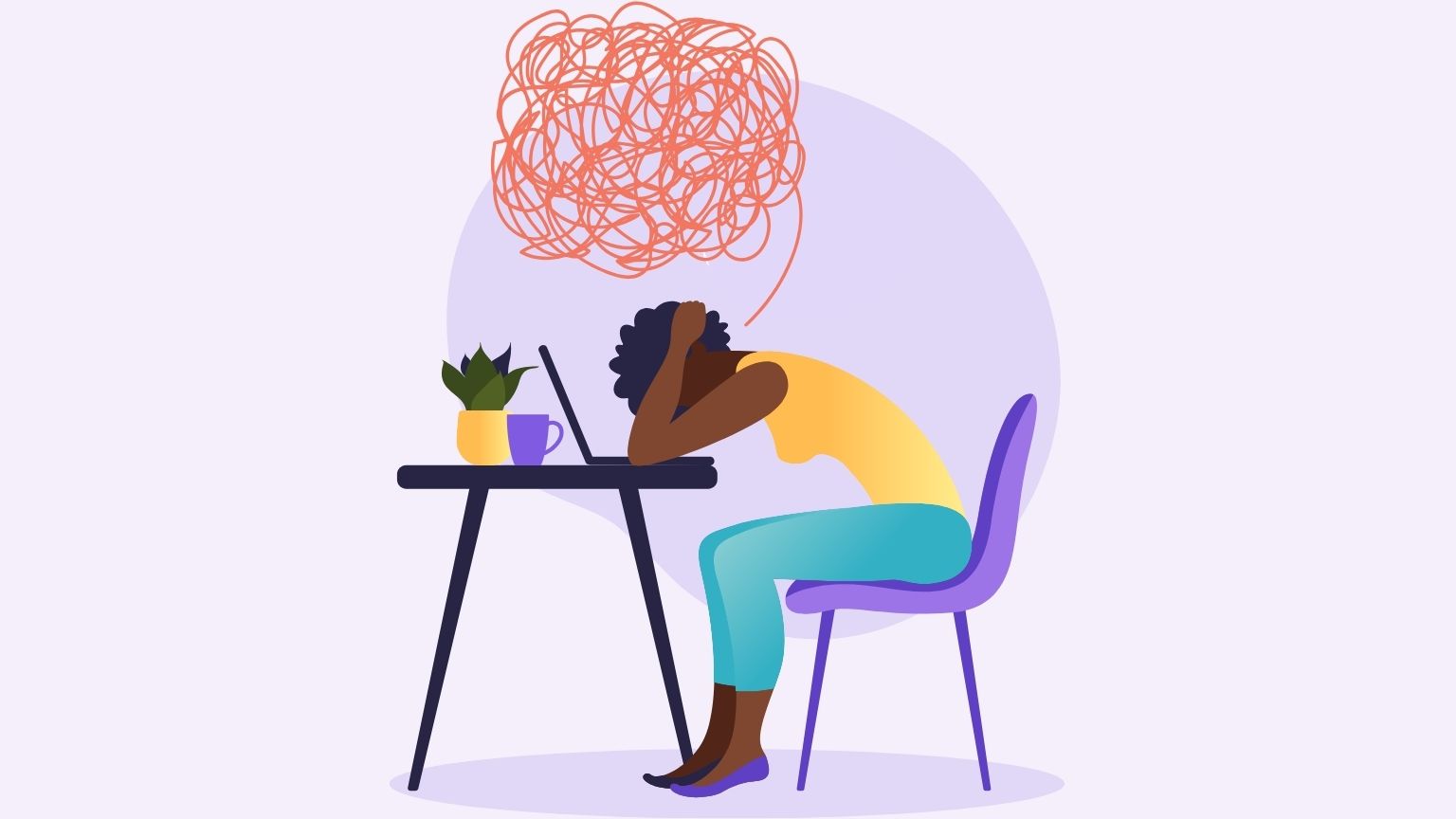
Let’s Get Real About Burnout — Because It’s Everywhere (And It Matters)
You’ve probably heard the word burnout a lot lately. Maybe you’ve even felt it. But what does burnout actually mean — and how does it connect with our mental health?
The quick answer: burnout is more than feeling tired. It’s a persistent state of physical, emotional, and mental exhaustion that wears you down over time, often from chronic stress and imbalance in life. And it’s happening to a lot more people than you might think.
The Stats (Backed by Research)
Before we dive into the feelings and experiences behind burnout, here’s what the numbers are telling us:
It’s surprisingly common
Studies show about one in four employees report burnout symptoms — like exhaustion, reduced productivity, or detachment — across industries around the world.
Certain jobs are hit harder
Different professions show higher rates; for example, research on healthcare workers indicates burnout rates were rising even before the pandemic and surged during it.
And while estimates vary depending on how burnout is measured, some surveys suggest burnout prevalence among professionals can range widely — from lower to very high levels, depending on the context and tools used.
It’s not just about workload
Other research highlights how workplace culture — like lack of support, unclear expectations, or poor communication — plays a huge role in burnout risk. More than 60% of the global variation in employee burnout symptoms is linked to toxic workplace dynamics.
So What Does That Feel Like?
Here’s the thing: burnout doesn’t look the same for everyone.
Some people say it’s like:
- Waking up exhausted even after a full night’s sleep
- Feeling mentally “checked out” or detached
- Struggling to focus or finish tasks
- Feeling irritable, overwhelmed, or just… flat
And the really tricky thing? You can function while burned out — you’re still showing up, still doing your work — but everything feels heavier, slower, and more draining than it used to.
That’s why burnout often goes unnoticed until it becomes a bigger issue.
Why We Ignore It (And Shouldn’t)
Here’s a truth we’ve all silently agreed to: exhaustion is normal. Right?
We push through deadlines, skip breaks, answer emails late at night, juggle responsibilities, and tell ourselves, “This is just how life is.”
But here’s what research and human experience both show: chronic stress doesn’t magically go away just because you ignore it. Without care and balance, stress turns into burnout — and burnout becomes a risk factor for anxiety, depression, sleep problems, and other mental health challenges.
It’s easy to think you’ll catch up later, or rest once things slow down. But for many people, that “later” never comes — and the toll on mental health builds up.
How Burnout Ties Into Mental Health
Burnout and mental health aren’t separate. They’re deeply intertwined.
Chronic burnout can:
- Deplete emotional energy
- Increase feelings of overwhelm
- Lower resilience
- Make it harder to cope with everyday challenges
And when mental health is already fragile — whether due to anxiety, depression, past stress, or ongoing life pressures — burnout can feel even worse.
The key is recognizing that burnout isn’t just about being tired; it’s about emotional exhaustion meeting unmet needs — whether that’s rest, support, purpose, or connection.
What Helps (Even Just a Little)
You don’t need a dramatic life overhaul to start feeling better. Small, intentional changes can make a big difference:
Start with honesty
Instead of saying “I’m fine,” try “I’m worn out right now.” Naming it helps you see it. And once you see it, you can start addressing it.
Protect your energy
Saying no to something that drains you isn’t selfish — it’s necessary. Boundaries help preserve your reserves.
Prioritize rest as a need
Rest isn’t a reward you earn after finishing everything on your list. It’s essential maintenance.
Lean on someone
A friend, family member, therapist, or coworker — talking to someone can make a world of difference.
Burnout might feel like something you should just push through, but the research suggests that awareness and support — both personally and systemically — are what help people truly recover.
The Bottom Line
Burnout isn’t a character flaw. It’s a signal — a message that something in your life, your work, or your environment needs attention.
If many people around the world are feeling this way, maybe it’s not just about you being tired — maybe it’s about the culture we’re all trying to survive.
And if we’re going to take mental health seriously — then we need to take burnout seriously too.
Leave a comment and let me know if you have ever experienced burnout.
Leave a Reply