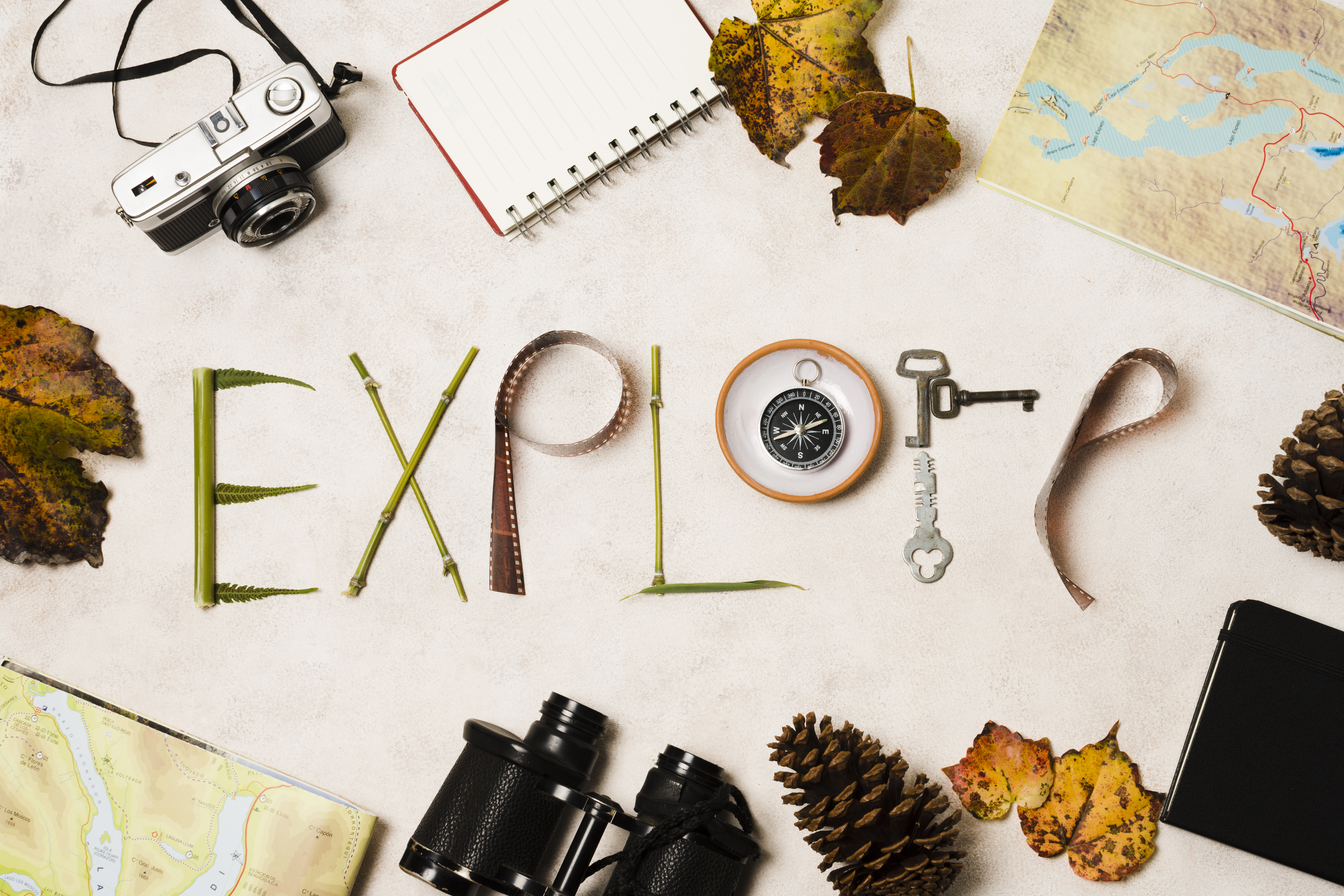
When should career exploration begin? Many people believe it starts in high school or college. Others think it’s something you only revisit when you’re unhappy at work. The truth is that career development is a lifelong journey. Whether you’re helping a five-year-old discover new possibilities, guiding a teenager toward future goals, or considering a career change yourself, it’s never too early—or too late—to explore what’s next.
Early Career Exposure: Building the Foundation

Contrary to traditional beliefs, career awareness can begin as early as kindergarten. Starting young allows individuals to:
- Broaden Horizons: Children are often only aware of jobs they see on TV or within their families. Early exposure introduces a wider array of professions, ensuring they don’t develop “tunnel vision” later in life.
- Enhance Academic Motivation: When students understand how school subjects connect to real world career paths, it can offer them a sense of purpose.
- Develop Essential Life Skills: Early exploration fosters critical thinking, problem-solving, and adaptability.
- Improve Post-Secondary Planning: High school students who have researched careers are more likely to choose a path that aligns with their career interests, having a positive effect on graduation rates.
Parents play one of the biggest roles in expanding their children’s understanding of careers. Simple conversations about different jobs, visits to workplaces, reading books about careers, or attending career fairs can spark interests that last a lifetime.
Mid-Career and Beyond: Reimagining the Future

For adults, career research is a tool for professional resilience and personal fulfillment. Researching new paths at 30, 40, or 50+ provides several advantages:
- Leveraging Transferable Skills: Mid-career professionals can identify “soft” and “hard” skills—such as leadership or specialized technical knowledge—that apply to entirely new industries.
- Achieving Creative Breakthroughs: Studies show that impactful creative work and career breakthroughs are not limited by age; significant professional success can occur well after age 40.
- Adapting to Market Shifts: Continuous career research helps individuals identify growing industries such as healthcare, skilled trades, artificial intelligence, cybersecurity, renewable energy, and advanced manufacturing.
- Reconstructing Identity: Career exploration at this stage is often a form of self-exploration, helping individuals realign their work with updated life goals, values, and personal circumstances.
- Seek Real-World Experience: Use internships, volunteering, or job shadowing—often facilitated by organizations like Junior Achievement—to gain a low-risk understanding of a potential new field.
How Career-Ready Are You?

Answer Yes or No to the following:
- I can name at least three careers that interest me.
- I understand the education or training required for those careers.
- I have researched job outlook and salary information.
- I know my top strengths and skills.
- I have spoken with someone who works in a career that interests me.
- I have participated in job shadowing, volunteering, or an internship.
- I regularly explore new career opportunities and industry trends.
- My current career goals align with my interests and values.
Scoring:
- 6–8 Yes answers: You are actively exploring and planning your future.
- 3–5 Yes answers: You have started the process but could benefit from additional research
- 0–2 Yes answers: This is the perfect time to begin your career exploration journey.
Final Thoughts
Career exploration doesn’t end after choosing a major or landing your first job. The more you learn about yourself and the world of work, the better equipped you’ll be to make confident career decisions throughout life.
Download my FREE Career Exploration Worksheet to begin identifying careers that match your interests, strengths, and goals. Whether you’re helping your child plan for the future or exploring a career change yourself, this worksheet is a great place to start.
What stage of your career journey are you in right now—helping a child explore careers, planning your own future, or considering a career change? Share your thoughts in the comments below!