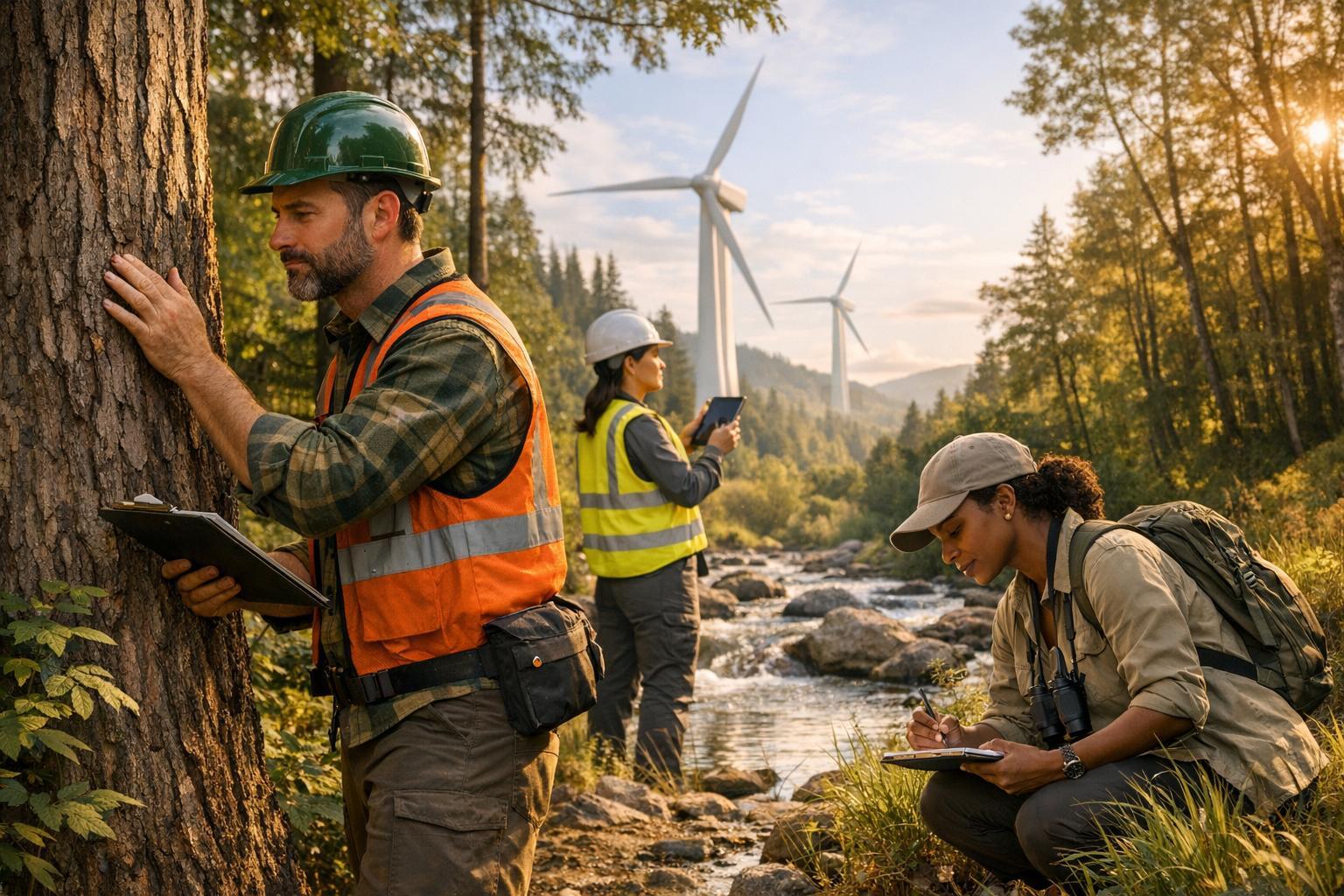
Not every student envisions their future behind a desk. Some thrive when they’re outdoors, moving around, working with their hands, or engaging with nature. For teens who enjoy being outside, there are plenty of career paths that can turn that passion into a fulfilling job. Opportunities exist in science, environmental conservation, agriculture, construction, recreation, public safety, and many other industries.
The key is to look past the job title and focus on what your student truly enjoys doing outdoors. Do they love animals, enjoy working with plants, like tackling practical problems, prefer physical activity, or feel passionate about protecting the environment?
One important thing to remember: loving the outdoors doesn’t necessarily mean spending every hour outside. Some careers combine fieldwork with office work, research, technology, or meetings. Others involve physical labor, changing weather conditions, travel, or seasonal schedules. Understanding what a typical workday looks like can help your teen identify careers that match their preferences.
Here are 10 outdoor careers for students to explore.
1. Environmental Scientist
If your student enjoys science and wants to help protect the environment, environmental science could be a great fit.
What they do:
Environmental scientists study air, water, soil, and other parts of the natural environment. They may collect samples, conduct research, monitor pollution, and help organizations understand and solve environmental problems. They may work for consulting firms, government agencies, laboratories, or other organizations.

Students who may enjoy this career:
- Love science and nature
- Enjoy collecting and analyzing information
- Care about environmental issues
- Like a combination of fieldwork and research
Education: A bachelor’s degree in environmental science, biology, chemistry, or a related field is commonly required.
Salary: The median annual salary for environmental scientists and specialists was approximately $82,220 in May 2025. Actual earnings vary depending on experience, employer, and area of specialization. Source: U.S. Bureau of Labor Statistics
2. Wildlife Biologist

Does your student love animals but isn’t interested in becoming a veterinarian?
Wildlife biology is another career worth exploring.
What they do:
Wildlife biologists study animals and their behavior, populations, habitats, and interactions with ecosystems. Their work may involve observing animals, collecting data, conducting research, and helping develop conservation plans.
A wildlife biologist might spend part of the workday in an office or laboratory, but fieldwork can be an important part of the job.
Students who may enjoy this career:
- Love animals and nature
- Enjoy science
- Are curious and patient
- Don’t mind working in different weather conditions
Education: A bachelor’s degree is typically needed for entry-level positions, while advanced research positions may require graduate education.
Salary: The median annual salary for zoologists and wildlife biologists was approximately $76,780 in May 2025. Earnings vary depending on experience, employer, and type of research or conservation work. Source: U.S. Bureau of Labor Statistic
3. Park Ranger
For students who love nature, hiking, and helping people, becoming a park ranger could be an exciting option.
What they do:
Park rangers may protect natural resources, maintain trails, educate visitors, lead programs, assist with emergencies, and help enforce park rules. The specific responsibilities can vary depending on the type of park and the employer.
Students who may enjoy this career:
- Love hiking and being outside
- Enjoy working with people
- Care about protecting nature
- Like having a variety of responsibilities
Education: Requirements can differ depending on the role. Some jobs might call for college coursework or a degree in natural resources, environmental science, recreation, or a related field, depending on whether the position focuses on law enforcement, interpretation, or natural resource management.
Salary: Park ranger salaries vary depending on the employer, location, responsibilities, and experience. Federal, state, and local park positions may offer different pay scales, so students should research specific job openings to understand potential earnings.
4. Landscape Architect
Students who enjoy art, design, nature, and problem-solving might want to consider landscape architecture.
What they do:
Landscape architects design outdoor spaces such as parks, gardens, campuses, neighborhoods, and public spaces. They combine creativity with knowledge of plants, environmental conditions, construction, and design.

Although landscape architects spend time using computers and creating plans, they may also visit project sites and work outdoors.
Students who may enjoy this career:
- Like art and design
- Enjoy working with plants and outdoor spaces
- Are creative problem-solvers
- Like seeing an idea become a real place
Education: A professional degree in landscape architecture is generally required, along with other requirements that vary by state.
Salary: The median annual salary for landscape architects was approximately $79,870 in May 2025. Earnings vary depending on experience, employer, and the types of projects they design. Source: U.S. Bureau of Labor Statistics
5. Forester
If your student enjoys forests and wants a career that combines science with outdoor work, forestry may be worth exploring.
What they do:
Foresters manage and protect forests and other wooded areas. They may monitor tree health, assess forest conditions, help plan timber harvesting, protect habitats, and work on conservation projects.

Forestry professionals often spend significant time working outdoors.
Students who may enjoy this career:
- Love forests and nature
- Enjoy science
- Like working independently
- Are interested in conservation and natural resources
Education: A bachelor’s degree in forestry or a related field is common for professional forestry positions.
Salary: The median annual salary for foresters was approximately $76,400 in May 2025. Earnings vary depending on experience, employer, and responsibilities, including forest management and conservation. Source: U.S. Bureau of Labor Statistics
6. Agricultural or Farm Manager
Agriculture offers much more than farming in the traditional sense. Students interested in plants, animals, business, technology, and the outdoors may find a variety of opportunities in agriculture.

What they do:
Farm and agricultural managers may oversee crops, livestock, equipment, workers, finances, and day-to-day operations. Modern agriculture also increasingly uses technology such as GPS, drones, sensors, and data analysis.
Students who may enjoy this career:
- Like working with plants or animals
- Enjoy being outside
- Are interested in business
- Like solving practical problems
- Are curious about agricultural technology
Education: Requirements vary depending on the position. Some managers gain experience through hands-on agricultural work, while others pursue degrees in agriculture, agribusiness, or related areas.
Salary: The median annual wage for farmers, ranchers, and other agricultural managers was approximately $89,900 in May 2025. However, earnings can vary considerably depending on farm size, agricultural products, operating costs, and market conditions. Source: U.S. Bureau of Labor Statistics
7. Construction Manager
Not every outdoor career involves nature. Some students simply enjoy being active, building things, and working on real-world projects.
Construction management could be a strong option.

What they do:
Construction managers plan, coordinate, and oversee construction projects. They may work with contractors, architects, engineers, clients, and construction workers to keep projects on schedule and within budget. They often divide their time between offices and construction sites.
Students who may enjoy this career:
- Like building and creating things
- Enjoy solving problems
- Prefer active work to sitting all day
- Have strong organization and leadership skills
Education: A bachelor’s degree in construction management, business, engineering, or a related field is common, although pathways into the field can vary.
Salary: The median annual salary for construction managers was approximately $114,990 in May 2025. Earnings vary depending on experience, employer, project type, and the size of the construction projects they oversee. Source: U.S. Bureau of Labor Statistics
8. Surveyor
Here’s an outdoor career students may not have considered: land surveying.

What they do:
Surveyors measure and map land to establish property boundaries and provide information used in construction and development. They use specialized equipment and technology to collect precise measurements. Surveyors may work outdoors at construction sites, properties, roads, and other locations.
Students who may enjoy this career:
- Like math and technology
- Enjoy solving problems
- Pay attention to details
- Prefer hands-on work
- Like working both independently and with a team
Education: Education and licensing requirements vary by state and professional licensure may be required for certain surveying responsibilities.
Salary: The median annual salary for surveyors was approximately $75,440 in May 2025. Earnings vary depending on experience, employer, location, and professional qualifications. Source: U.S. Bureau of Labor Statistics
9. Geologist
Students fascinated by rocks, Earth, natural resources, or how the planet works may want to explore geology.
What they do:
Geologists study the Earth’s materials, processes, and history. Depending on their specialty, they may study rocks and minerals, groundwater, natural hazards, energy resources, or environmental conditions. Fieldwork can take geologists to a variety of outdoor locations.

Students who may enjoy this career:
- Love earth science
- Enjoy exploring
- Like collecting and analyzing information
- Are comfortable working in different outdoor environments
Education: A bachelor’s degree in geology or a related field is generally the starting point for professional positions.
Salary: The median annual salary for geoscientists, excluding hydrologists and geographers, was approximately $101,920 in May 2025. Earnings vary depending on specialization, employer, experience, and industry. Source: U.S. Bureau of Labor Statistics
10. Outdoor Recreation Professional
For students who love sports, adventure, fitness, and helping others, outdoor recreation can open the door to a variety of careers.
Possible careers include:
- Outdoor adventure guide
- Recreation coordinator
- Camp director
- Park recreation specialist
- Outdoor education instructor
- Adventure program leader
What they do:
Outdoor recreation professionals may organize activities, lead groups, teach outdoor skills, maintain programs, and help people safely enjoy recreational activities.

Students who may enjoy this career:
- Love sports and physical activity
- Enjoy working with people
- Like teaching or leading groups
- Enjoy adventure and the outdoors
Education: Requirements vary considerably depending on the position. Some careers require specialized training or certifications, while others may require a college degree.
Salary: Earnings vary widely across outdoor recreation careers. For example, recreation workers had a median annual wage of approximately $36,560 in May 2025. Outdoor guides, camp directors, and recreation specialists may earn different amounts depending on their roles, experience, employer, and whether the work is seasonal. Source: U.S. Bureau of Labor Statistics
Salary figures represent U.S. median annual wages reported for May 2025 by the U.S. Bureau of Labor Statistics. A median is not an entry-level salary or a guarantee of earnings. Actual pay varies by location, experience, education, and employer. Figures may not represent every job title included in a broader career category.
Start Exploring Outdoor Careers in High School
Your student doesn’t have to wait until college to start learning about outdoor careers.
Here are a few ways to begin:
Take relevant classes.
Science, agriculture, environmental science, technology, art, and physical education courses may help students discover new interests.
Join clubs and activities.
Environmental clubs, gardening programs, outdoor clubs, sports, and community service can provide valuable experiences.
Volunteer.
Look for opportunities with parks, community gardens, animal organizations, environmental groups, or community improvement projects.
Talk to someone who does the job.
A career conversation can help students learn what a typical workday actually looks like.
Try career research.
Encourage your teen to investigate education requirements, salary ranges, work environments, job outlook, and the skills needed for careers they’re considering.
Which Outdoor Career Fits Your Interests?
Help your teen connect their interests in nature, science, animals, technology, or hands-on activities with careers worth exploring. Download the free Outdoor Career Worksheet to identify interests, explore possibilities, and take the first step toward discovering a potential career path.
🧾Download Your FREE Outdoor Career Worksheet
The Bottom Line
Students who love working outdoors have far more career options than they may realize. Outdoor careers aren’t limited to traditional jobs like farming or park work. Today’s opportunities can combine the outdoors with science, technology, business, design, construction, healthcare, environmental protection, and recreation.
The best place to start is with your student’s interests.
Ask:
What do you love doing when you’re outside?
That answer could provide an important clue about a future career.
Ready to Explore Careers With Your Teen?
Career exploration doesn’t have to happen all at once. Start by identifying your teen’s interests, strengths, and preferred work environment—and then explore careers that connect with those qualities.
Leave a Reply