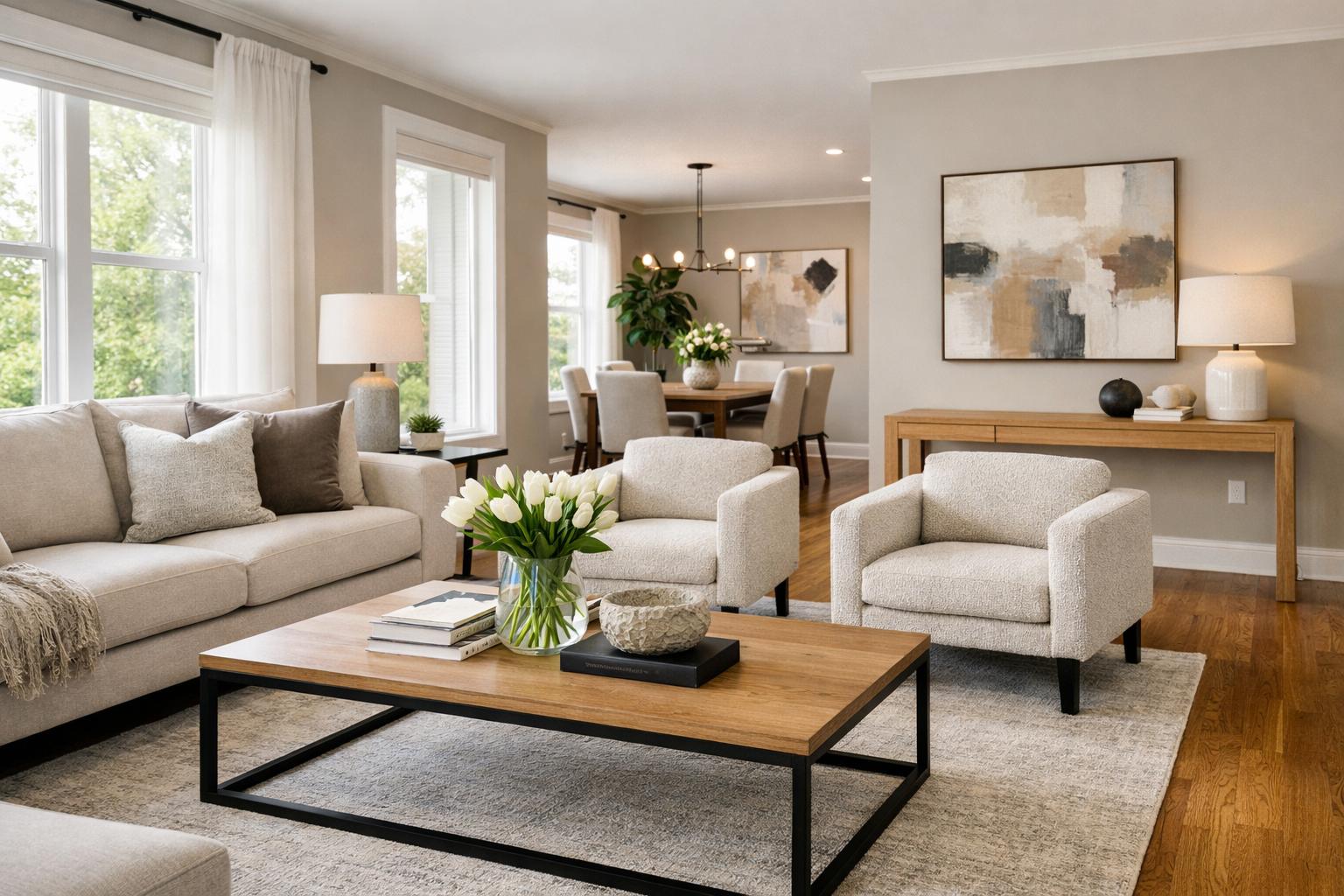
Do you enjoy decorating spaces, choosing colors, arranging furniture, or finding creative ways to make a room look more inviting? Maybe you love browsing home décor stores, watching room makeover videos, or imagining how you would transform an empty space. You might even be the person friends and family ask for decorating advice. But what if you enjoy decorating without wanting to become an interior designer?
The good news is that creativity and an eye for design can lead to many different career opportunities. You don’t have to design homes or select furniture for clients to turn your interest in decorating into something meaningful. From creating beautiful store displays to designing special events, planning spaces, or working with architecture and technology, there are many ways to use your creative abilities in the workplace.
If you’re interested in discovering how everyday interests can lead to unexpected career possibilities, explore our article about careers for people who love being creative but don’t want to be an artist.
Let’s explore 15 careers you might want to consider!
15 Careers to Explore If You Love Decorating
1. Home Stager
Do you enjoy making rooms look attractive and welcoming? Home stagers prepare houses for sale by arranging furniture, selecting accessories, and creating spaces that help potential buyers imagine themselves living there. They may work with real estate agents, homeowners, or home staging companies. Some home stagers work independently and operate their own businesses.

What you might enjoy: Transforming rooms, arranging furniture, choosing decorative accents, and making spaces more appealing.
2. Visual Merchandiser

Have you ever walked past a store window and stopped because the display caught your attention? Visual merchandisers create attractive displays that showcase products and encourage customers to explore a store. They arrange merchandise, select colors, design display areas, and create visual themes that reflect a company’s brand. They may work in clothing stores, department stores, furniture retailers, and specialty shops.
What you might enjoy: Combining creativity with shopping, fashion, colors, and product displays.
3. Event Designer

If you enjoy decorating for parties, celebrations, or special occasions, event design might be worth exploring. Event designers create the visual atmosphere for weddings, corporate events, fundraisers, celebrations, and other gatherings. They may select decorations, coordinate color schemes, design table arrangements, and develop themes.Some specialize in particular types of events, while others work with a variety of clients.
What you might enjoy: Creating memorable environments, developing themes, and bringing creative ideas to life.
4. Landscape Designer
Do you enjoy arranging flowers, plants, outdoor furniture, and decorative elements? Landscape designers plan attractive outdoor spaces for homes, businesses, parks, and other properties. They consider plant selection, pathways, lighting, outdoor structures, and how people will use a space. Depending on the position, education and experience requirements vary. Some landscape design positions require specialized training or a degree.

What you might enjoy: Combining creativity with nature, plants, outdoor spaces, and design.
If you enjoy plants, nature, and spending time outdoors, you may also want to explore outdoor careers that combine nature, creativity, and different interests.
5. Exhibit Designer
Museums, science centers, historical sites, and educational attractions need people who can create interesting and visually appealing exhibits. Exhibit designers plan how displays, objects, graphics, lighting, and interactive features will come together to communicate information to visitors. They may work with museums, exhibit design companies, cultural organizations, and other institutions.
What you might enjoy: Creating themed environments, combining art and education, and designing spaces that tell a story.
6. Set Designer
Have you ever watched a television show, movie, or theater production and wondered who created the rooms and environments where the scenes take place? Set designers develop the physical surroundings used in theater, film, and television productions. They help determine how a room, building, or other setting should look to support the story.They may work with directors, production teams, artists, and construction professionals.
What you might enjoy: Designing imaginative spaces, storytelling, creativity, and entertainment.
7. Architectural Designer
If you enjoy thinking about how rooms, buildings, and spaces are arranged, architectural design could be an interesting direction. Architectural designers help develop plans and concepts for buildings and other structures. They may work on layouts, building features, materials, and visual presentations. Some positions require an architecture degree and professional licensure, while other design-support roles have different educational requirements.

What you might enjoy: Combining creativity, spatial awareness, problem-solving, and an interest in buildings.
8. Furniture Designer
Do you find yourself noticing the shape, style, materials, and details of furniture? Furniture designers develop ideas for chairs, tables, sofas, cabinets, and other products. They consider appearance, comfort, function, materials, and how people will use the finished product. Some work for furniture manufacturers, while others develop independent product lines.
What you might enjoy: Designing functional objects, experimenting with materials, and creating something people use every day.
9. Lighting Designer
Lighting can completely change how a room or space looks and feels. Lighting designers plan how artificial and natural light will be used in buildings, theaters, events, and other environments. They consider brightness, placement, color, energy efficiency, and the atmosphere that lighting creates. Depending on the specialty, they may work in architecture, entertainment, events, or commercial design.
What you might enjoy: Experimenting with lighting, creating moods, and using technical knowledge alongside creativity.
10. Color Consultant
Do you enjoy choosing paint colors, coordinating color combinations, and figuring out which shades work well together? Color consultants help clients select colors for homes, businesses, products, and other environments. They may consider lighting, existing furnishings, personal preferences, and the purpose of a space. Some work independently, while others work with paint retailers, design firms, or related businesses.

What you might enjoy: Working with color, helping people make decisions, and creating attractive combinations.
11. Property Developer
Property developers help turn ideas about land and buildings into completed projects. They may work on residential neighborhoods, apartment communities, commercial buildings, or mixed-use developments. Their responsibilities can include evaluating properties, coordinating professionals, reviewing project plans, and overseeing development activities. Although this career involves much more than decorating, an interest in how spaces look and function can be useful.
What you might enjoy: Understanding buildings, imagining possibilities, and helping transform properties.
12. Floral Designer

If you enjoy arranging flowers, selecting colors, and creating beautiful displays, floral design may be worth considering. Floral designers create arrangements for weddings, celebrations, businesses, special occasions, and everyday purchases. They may work in flower shops, event companies, grocery stores, or operate their own businesses.
What you might enjoy: Working with flowers, creating arrangements, combining colors, and producing something beautiful.
13. Graphic Designer
Although graphic design doesn’t involve decorating physical spaces, it uses many of the same creative abilities. Both involve color, balance, composition, visual details, and arranging elements to create an appealing result. Graphic designers create visual materials such as advertisements, logos, brochures, websites, packaging, and digital graphics. They use design software and creative problem-solving to communicate messages visually.

What you might enjoy: Working with colors, layouts, visual details, and creative ideas using technology.
14. Real Estate Agent
If you enjoy looking at houses, exploring different home styles, and imagining how spaces could be used, real estate might interest you. Real estate agents help people buy, sell, and rent properties. They show homes, explain property features, communicate with clients, and help guide transactions. An interest in decorating can be useful when discussing a property’s features or helping clients envision its potential.
What you might enjoy: Exploring homes, meeting people, learning about different properties, and helping others find a place to live.
15. Kitchen and Bath Designer
If you enjoy planning how rooms are arranged and choosing materials, fixtures, cabinets, and finishes, kitchen and bath design may be a good fit. These professionals help homeowners and businesses create functional and attractive kitchens and bathrooms. They consider measurements, storage, lighting, appliances, plumbing fixtures, materials, and the needs of the people using the space. Some positions require specialized education or industry credentials, depending on the employer and responsibilities.
What you might enjoy: Combining creativity with organization, problem-solving, materials, and functional design.
What Skills Can Help You Succeed in These Careers?
You don’t have to be an artist or have formal design training to begin exploring careers related to decorating. However, certain skills and abilities can help you succeed.
Here are some worth developing:
- Creativity: Coming up with original ideas and finding new ways to improve spaces.
- Attention to detail: Noticing small differences in colors, patterns, materials, and arrangements.
- Spatial awareness: Understanding how objects fit together and how people move through a space.
- Communication: Listening to clients, understanding their preferences, and explaining your ideas.
- Problem-solving: Finding practical solutions when a space has limitations or a project encounters challenges.
- Organization: Managing materials, schedules, budgets, and project details.
- Technology skills: Learning design software, digital drawing tools, and presentation programs.
These abilities can be useful in many industries, not just decorating and design.
What Education or Training Do You Need?
The education required depends on the career you choose.
Some opportunities may be accessible through high school coursework, technical training, certifications, apprenticeships, or on-the-job experience. Other careers require an associate or bachelor’s degree, specialized education, or professional credentials.
For example:
- Visual merchandising and floral design: Some positions offer entry-level opportunities with employer training, while additional education or experience can help with advancement.
- Home staging and event design: Training programs, business experience, and a strong portfolio can help you get started.
- Graphic and furniture design: Design coursework, technical skills, and a portfolio are valuable.
- Architecture and landscape architecture: Professional education and, for certain positions, licensing are required.
- Real estate: State-specific licensing requirements must be met.
Some creative careers offer opportunities to build experience through community college courses, internships, apprenticeships, or entry-level positions. Developing a portfolio that showcases your work can also be valuable, particularly in careers involving visual design. A portfolio is a collection of examples that demonstrates your creativity, abilities, and projects. As you explore these careers, research the education and training requirements for the specific job you find interesting.
What Can You Earn in a Career Related to Decorating?
Careers involving creativity and design offer a wide range of earning opportunities. Salaries depend on the occupation, education, experience, location, industry, and whether you work for an employer or operate your own business.
To give you an idea of potential earnings, here are several examples of U.S. median annual wages reported by the Bureau of Labor Statistics for May 2025:
| Career | Median annual salary |
|---|---|
| Graphic Designer | $62,960 |
| Set and Exhibit Designer | $75,240 |
| Floral Designer | $37,360 |
| Landscape Architect | $79,870 |
| Architect | $99,280 |
These figures represent national median wages, not starting salaries or guaranteed earnings. Actual pay can vary considerably. Some careers, particularly home staging, event design, and other self-employed opportunities, may have earnings that fluctuate depending on clients and projects.
It’s also important to remember that salary is only one consideration when choosing a career. Think about the type of work you enjoy, the education required, job opportunities, and the lifestyle you want.
For additional information, visit the Bureau of Labor Statistics Occupational Outlook Handbook, where you can research occupations, education requirements, earnings, and employment projections.
How Can You Start Exploring These Careers Now?
You don’t have to wait until college to discover whether a career involving decorating and design might be right for you. Here are a few ways to start:
1. Create a decorating inspiration board.
Use Pinterest or another platform to collect pictures of rooms, color combinations, furniture, outdoor spaces, and displays you like. Look for patterns in the styles and designs that catch your attention.
2. Try a small design project.
Redesign your bedroom, organize a study area, create a seasonal display, or plan decorations for a family gathering. Think about the decisions you make along the way.
3. Explore design software.
Experiment with digital room-planning tools, graphic design programs, or other creative technology. You may discover that you enjoy the technical side of design as much as the decorating itself.
4. Visit different workplaces.
Look at furniture stores, home improvement businesses, floral shops, museums, event venues, and real estate offices. Notice the different types of work involved in creating and maintaining attractive spaces.
5. Talk to someone who works in a related career.
Ask about their daily responsibilities, education, challenges, and favorite parts of the job. You might discover that the actual work is very different from what you imagined.
As you begin exploring different possibilities, it’s also helpful to think about your future education, interests, and goals. Our career planning guide for high school students can help you start thinking about your next steps.
Which Career Might Be Right for You?
Before choosing a career, think about what you enjoy most about decorating.
- Do you like arranging furniture and making rooms look attractive? Home staging or visual merchandising might interest you.
- Do you enjoy creating beautiful environments for celebrations? Event design could be worth exploring.
- Are you more interested in buildings, layouts, and how spaces function? Architectural design or kitchen and bath design might be appealing.
- Do you enjoy working with colors, flowers, or visual details? Floral design or color consulting could be possibilities.
Download our free Decorating Interests and Career Exploration Worksheet to discover which activities interest you most and explore careers that connect with your creativity. The goal is to identify what you enjoy doing and explore careers that allow you to use those interests in different ways.
Your Interests Can Lead to Unexpected Careers
Loving decorating doesn’t mean you have to become an interior designer. Your interest in colors, spaces, creativity, and visual details could connect to careers in business, entertainment, architecture, retail, technology, and many other fields. Sometimes the best career possibilities are the ones you haven’t considered yet. You don’t have to turn your favorite hobby into a job exactly as it is. Instead, think about the skills, activities, and interests behind what you enjoy. Those connections may lead you somewhere unexpected.
Start exploring. Your interests may open doors to careers you never knew existed!
Continue exploring career possibilities with Journey to Discovery. Helping students and families discover interests, explore opportunities, and make confident decisions about the future.
Leave a Reply